Tag: Counselling

  • What is Grounding ?

    What is Grounding ?

    Polar Bear and Puffin by artist Amanda Reynolds are depicted discussing Grounding Techniques and getting them wrong. Includes ARC logo for AR Counselling services for adults age 21 plus.

    Why do you need to ground yourself?

    What is grounding, and what does it mean?

    Grounding never works for me? I’m probably doing it wrong!

    I’m not sure when I’m supposed to do it.

    My chest was so tight from anxiety when I tried to do the breathing exercise I couldn’t breathe out. So I stopped.

    Sound familiar?

    These are all things I have heard from my clients when it comes to talking about grounding techniques.

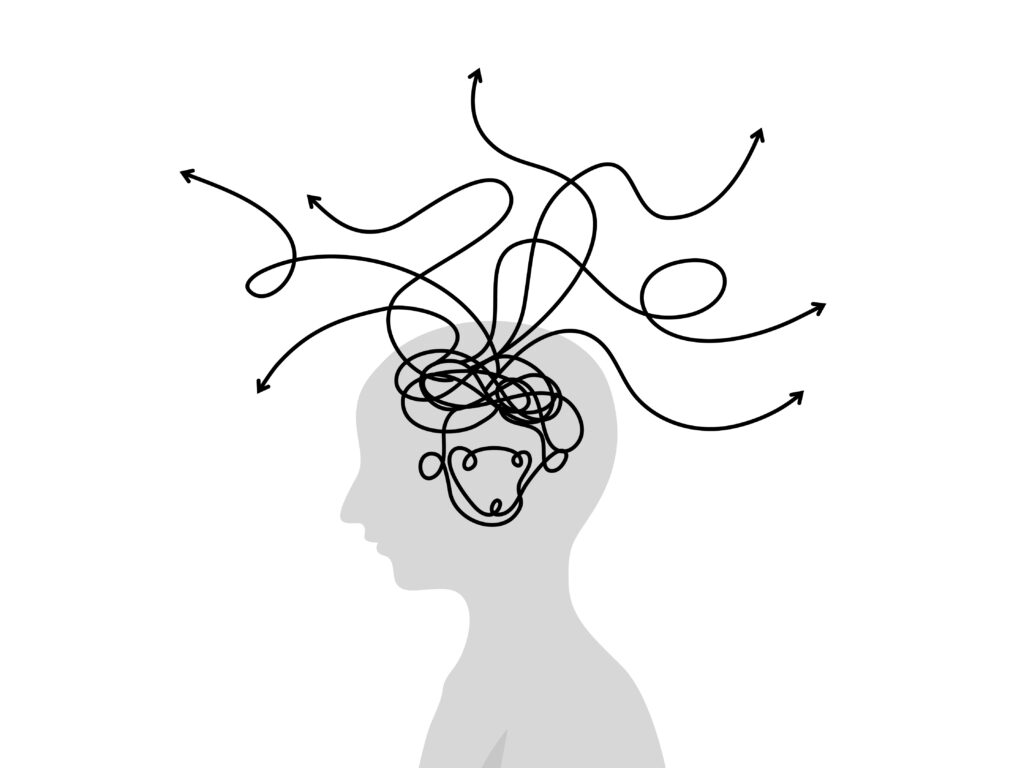
    Image is of a head and wiggly lines as thoughts to depict being side tracked easily as an individual with ADHD. This blog article looks at some examples of adult behaviours in individuals with ADHD, written by neuro affirming counsellor and psychotherapist Amanda Reynolds.

    With so much information available it can be confusing. So often we’re told to ground ourselves, without been given all the information behind the techniques, which leaves you with unanswered questions.

    When do I use them? How do I do it? Why does it help?

    This can leave you feeling like you’re doing ‘grounding’ wrong.

    You are left to fill in the gaps, because you have only been given a small amount of information from the experts.

    Frustrating right?

    And yet, in another attempt trying to take care of yourself, it feels like you’re failing again!

    That’s unfair! So let’s look at the whole picture.

    Why do counsellors promote grounding techniques?

    It helps you to re-focus and connect your whole self back to the here-and-now. It helps you to come back into the present moment.

    It helps you to re-orient ourselves.

    When you are knowingly or unknowingly triggered, you may experience your heart rate increasing, you may feel wobbly, dizzy, or unsteady sensations in your legs, knees or body. Everything, or everyone around you can start to feel overwhelming. You may feel stressed, anxious, fearful or panicked. If this is happening to you frequently, then finding a grounding technique that works for you may be helpful in calming you and reconnecting back to your rational, more regulated sense of self.

    When you begin to experience a sense of intense anxiety or feel dissociated from your environment, that is when a grounding or breathing exercise is useful for you.

    It is also useful to have found one you like and one that you have practiced before you experience intense feelings.

    Why? Because if you’ve practised it already your body and mind know what to do.

    This image is a phot of a tortoise to depict how we can become mentally withdrawn from our surroundings. This is for the grounding article. Created by counsellor and psychotherapist Amanda Reynolds of AR Counselling services, West Yorkshire.

    Why it’s helpful to use grounding techniques when you feel WITHDRAWN.

    It is a horrible sensation, when you feel unsafe in your own body and mind. This can cause you to become withdrawn, you pull away from the world and disengage from it. Maybe you hide away under the bed covers, or sit alone in a room where no one can find you.

    Wanting to withdraw, like a tortoise back into your shell, or shut down like a computer is a normal response to overwhelm. It’s also a normal trauma response to anything that triggers you. It’s also a stress response as you approach burnout too. Wanting to pull away from people and the world is when grounding can be helpful for you.

    It doesn’t make the problem disappear, but it helps you to take care of yourself in that moment. How? Because it stops you spiralling down into a withdrawn dark pit. It pulls you up and out enough to bring you back to a sense of control or calm in yourself. It frees you a bit of mindful space to enable you to move or ask for support or feel safety and connection within your body and mind. It gives yourself chance to connect with your rational self, so you can feel a little but more able to cope.

    Being able to ground yourself will become a helpful tool to feel that little bit safer once again. The more you practice them, the more you will be able to move through your world feeling able to tolerate the difficult moments and enjoy more peaceful moments of connection to yourself.

    Is it helpful to use grounding techniques when I feel like my thoughts are racing away from me and my head and thoughts begin to spiral?

    This image is a photo of a hare dashing off to depict how we can become hyper anxious in flight mode from our surroundings. This is for the grounding article. Created by counsellor and psychotherapist Amanda Reynolds of AR Counselling services, West Yorkshire.

    This can occur daily, all up in your head. “Top down”. Your fears about the world, about other people and their perceptions of you, your own perceptions of yourself, all the “What if’s” can lead us towards high anxiety and a panic attack at worse.

    When you notice this beginning, it’s another opportunity to use a grounding technique. Why? Because it stops us in our racing tracks, we can focus. Yes the fears and the big bad world still exist. But what we are trying to do is stop that massive stress hormone dump that adds to more feelings of being unsettled and out of control. The more we can stop it, ground and come back into the moment (which is what grounding is) then we can help our body to calm down. The more we practice it, the more we feel calm and the more it will help us to reconnect with ourselves and hopefully our rational voice can be heard again.

    The photo depicts ARC counselling logo. Amanda Reynolds provides face-to-face counselling sessions to individuals on a one-to-one basis. Her comfortable, quiet, safe space is based in a building from her home. In Allerton Bywater, near Castleford on the borders of Leeds, Wakefield and North Yorkshire. Easy to get to.
  • Curbing Impulsivity

    Curbing Impulsivity

    curbing adh impulsitivy

    Image is of small scrabble wooden blocks spelling out the word mindfulness, with the ARC logo. This blog article looks at tips for curbing and reducing impulsivity in individual adults with ADHD. written by neuro-affirming counsellor and psychotherapist Amanda Reynolds.

    Practice mindfulness and self-awareness.

    Learning how to practice mindfulness can be hugely beneficial and a tremendously powerful support strategy for you and your mind. It takes time to find a mindfulness technique that resonates with you and works for you, but once you do, practice takes time.

    Mindfulness isn’t about meditating and being all spiritual. It’s about increasing your concentration and nurturing the connection between your brain, body, thoughts, and emotions. It can also decrease impulsivity and exert a positive influence on all areas of your life.

    Try some of these things:

    Grounding techniques (click here for ARCs grounding techniques)

    Breathing exercises

    Quiet time

    Social media breaks

    Phone breaks

    Yoga

    Journaling using a voice recorder or writing things down.

    There is no right or wrong to this, see what works for you and be curious about it. Trying to focus and reflect on your own thoughts and behaviours in a peaceful, positive way can be helpful. Practising being in the present moment can relax your mind, and body.

    Routines can be helpful

    As a child at school and home we are often provided with routines and some structure to our day. Think about meal times, school times and bedtime routines.

    As an adult we can please ourselves, and this can be great. Particularly when you’re free from the binds of grown up’s telling you what to do when and where to be next and what the expectations are for meal times, washing, tidying up, studying…

    Adult independence and personal growth are about bringing an independent awareness to what you need. Knowing what you need can feel very empowering, and giving yourself a clear structure of what happens, when, is a powerful ADHD impulse control technique.

    You don’t have to be like your late, great, Victorian Grandfather and get all military about it – unless you really want to, of course! But you may discover that performing the same activities each day at the same times in a consistent way may develop a rhythm for you, minimising the influence of distractions.

    Break it down

    Feelings or actions of impulsivity can often spring from a sense of feeling overwhelmed by a looming task. The task can be anything that day to day living demands of you.

    Say it’s your responsibility to clean the kitchen. Cleaning the kitchen can feel like quite a big job. Where do you begin? It’s so messy, the pans are unorganised, the bits and bobs of food prep and condiments all need putting back in the cupboard and fridge. Despite your best intentions, the symptom of distractibility takes hold, and you may find yourself off doing other things.

    It sounds simple, but try breaking things down into bitesize, achievable steps. Write it as a planner, a list, or type it on your phone. Choose your first task and complete that. What’s next? Take a look or talk to yourself and do the next short, small task and so on.

    In this way, breaking down bigger jobs into smaller tasks helps you establish a workflow and sidestep impulses when they occur. Plus, that nice clean kitchen will give your brain a welcome shot of dopamine! And add a reward to if you fancy, you are an adult after all, but tidy up after it : )

    Image is of small sand timer, with the ARC logo. This blog article looks at tips for curbing and reducing impulsivity in individual adults with ADHD. written by neuro-affirming counsellor and psychotherapist Amanda Reynolds.

    Timers are great

    Knowing how long something will take, or the thought of working endlessly, can be uninspiring, to say the least – and in this state, impulsivity is almost impossible to ignore.

    Whatever the thing is you have set out to do, you’ll need time to carry them out.

    One way to navigate this issue is to notice what you need for the task at hand and use a timer. You might work on power-mode for 30 minutes. After that, it’s time for a break. Many adults with ADHD find that a clear start/stop time boundary helps them to focus and stay on-track, this might work for you too.

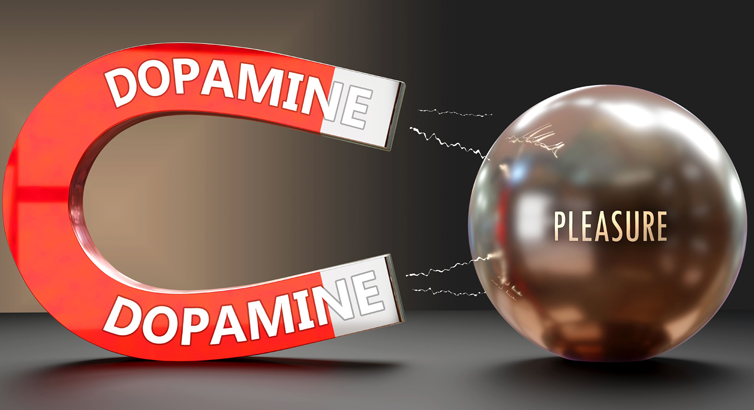
    The image is of a magnet and an iron ball of pleasure and dopamine. This blog article looks at tips for curbing and reducing impulsivity in individual adults with ADHD. written by neuro-affirming counsellor and psychotherapist Amanda Reynolds.

    Learn to delay gratification

    Happy hormones are a thing, our body is a clever tool and learning to work with it can be really beneficial to managing or curbing impulsivity. The hormone Dopamine is associated with feelings of reward, motivation and productivity and serotonin is in charge of happiness, concentration and calmness. So who doesn’t want to feel these!

    When we experience getting something we want or we do something we want to do, these chemical messengers are released into our body and trigger positive emotions and sensations within the brain. Or impulse part of us wants that now, let’s just do it, let’s get that hit, but this fast-track to happiness can be short-lived if we are ignoring or neglecting important tasks to us or for us. One way around this is to delay the gratification for a while, this takes practice and developing that inner coach to encourage you into working on the task, and ‘look forward’ to the amplified happiness of getting what you wanted and having completed the task. It’s a win-win! Yes it takes some discipline, but is a great way of developing ADHD impulse control.

    Find your ways to relax

    Not everybody finds chilling out in a warm bath relaxing but everybody needs to unwind and decompress in order to maintain our vitality and interest in life. We’re not full robots quite yet, so you will recognise you can’t stay in permanent ‘go’ mode without feeling depleted.

    Have a think about what relaxes you. What do you love doing? Where do you lose a sense of time and feel better after doing this thing/task/hobby. What brings you peace? Start to make time for it and see what happens. Your mind and body will thank you.

    Practice seeking support

    It can be tricky for some of us to reach out for support when we might need a little help dealing with our ADHD impulsivity and other symptoms. Be brave and find the right people or place or community you can reach out to. Communication is key, and looping others into your ‘problems’ or ‘issues’ with impulsivity helps them, help you.

    The right people will be happy to support you if they can – maybe your partner can provide gentle reminders when you start to follow impulses, or parents can help keep you on-task by reaffirming the goal you’re working towards. And don’t forget, professional support is there when you need it. Perhaps you’ll embark upon a course of therapy treatment, or gain access to the medication you need to help you head-off impulsive behaviours.

    Visual reminders work

    Out of sight is definitely out of mind so it makes sense to create some visual reminders about your tasks and top priorities. Seeing images, lists on the fridge, alarms on your phone or items left out on the side can be enough to remind you of the activities you choose to do or should focus on that day for productivity.

    Take breaks

    This one goes hand-in-hand with finding ways to relax and giving yourself permission to take a break every once in a while! You’re not a machine, and no one can or should work endlessly. It’s often the case that extended periods of work, without a break, don’t actually result in boosted productivity; rather, it is the tendency towards distractibility and the temptation to follow impulses that increase, exactly what you are hoping to curb by reading this article right?

    If you are ‘in the zone’ with a task, continue the good work, of course. But if you hit a wall or find that you’re running out of steam, take yourself away and do something else for a while. Maintaining a healthy work/break balance is key to effectively dealing with ADHD impulsivity.

    Reference: ADHD Centre Website

  • Adult ADH & Impulsivity

    Adult ADH & Impulsivity

    Examples of adult behaviours that may be the result of poor ADHD impulse control.

    A tendency to engage in risky behaviour: Do you find yourself repeatedly pursuing risky or self-destructive activities? If you seem to constantly put yourself in unhelpful and potentially dangerous situations, you may be experiencing ADHD-related impulses.

    The image is of a ticking time bomb to depict risky behaviour and impulsivity in individuals who may have ADHD and issues with impulsivity. The image links to a blog article covering this subject of navigating and acknowledging impulsivity as a problem for an individual with ADHD.
    Image is of a head and wiggly lines as thoughts to depict being side tracked easily as an individual with ADHD. This blog article looks at some examples of adult behaviours in individuals with ADHD, written by neuro affirming counsellor and psychotherapist Amanda Reynolds.

    Continuously being side-tracked: The distractibility that often comes with ADHD is well-documented. Perhaps you find it impossible to focus on one task for any length of time without jumping up to grab a snack, fidgeting with a pencil, or simply gazing out the window.

    Repeatedly interrupting others: Whether at home or work, constantly cutting in or talking over other people can lead to problems with relationships. But what some may see as flat-out rudeness may be rooted in ADHD impulsivity.

    Image is of a hand interrupting a row of falling dominos to depict interrupting others often as an individual with ADHD may be rooted in impulsivity This blog article looks at some examples of adult behaviours in individuals with ADHD, written by neuro affirming counsellor and psychotherapist Amanda Reynolds.
    Image is of a small shopping cart being full of items in front of a keyboard to depict an impulse to spend, spend, spend as an individual with ADHD. This blog article looks at some examples of adult behaviours in individuals with ADHD, written by neuro affirming counsellor and psychotherapist Amanda Reynolds.

    A propensity to spend, spend, spend: We all make impulse purchases once in a while. But if you can’t seem to hold onto your money without shelling out on the next thing to grab your attention, it can have serious financial consequences.

    Frustration at having to wait: Does waiting in traffic irritate you disproportionately? Do you find yourself getting angry at the prospect of queuing up? Perhaps you get annoyed when someone is speaking and they won’t just cut to the chase? These are all potential indicators of impulsivity.

    Image is of a queue of cars with brake lights on to depict being frustrated when waiting as an individual with ADHD. This blog article looks at some examples of adult behaviours in individuals with ADHD, written by neuro affirming counsellor and psychotherapist Amanda Reynolds.