Category: Mental Health Resources

  • What is Grounding ?

    What is Grounding ?

    Polar Bear and Puffin by artist Amanda Reynolds are depicted discussing Grounding Techniques and getting them wrong. Includes ARC logo for AR Counselling services for adults age 21 plus.

    Why do you need to ground yourself?

    What is grounding, and what does it mean?

    Grounding never works for me? I’m probably doing it wrong!

    I’m not sure when I’m supposed to do it.

    My chest was so tight from anxiety when I tried to do the breathing exercise I couldn’t breathe out. So I stopped.

    Sound familiar?

    These are all things I have heard from my clients when it comes to talking about grounding techniques.

    Image is of a head and wiggly lines as thoughts to depict being side tracked easily as an individual with ADHD. This blog article looks at some examples of adult behaviours in individuals with ADHD, written by neuro affirming counsellor and psychotherapist Amanda Reynolds.

    With so much information available it can be confusing. So often we’re told to ground ourselves, without been given all the information behind the techniques, which leaves you with unanswered questions.

    When do I use them? How do I do it? Why does it help?

    This can leave you feeling like you’re doing ‘grounding’ wrong.

    You are left to fill in the gaps, because you have only been given a small amount of information from the experts.

    Frustrating right?

    And yet, in another attempt trying to take care of yourself, it feels like you’re failing again!

    That’s unfair! So let’s look at the whole picture.

    Why do counsellors promote grounding techniques?

    It helps you to re-focus and connect your whole self back to the here-and-now. It helps you to come back into the present moment.

    It helps you to re-orient ourselves.

    When you are knowingly or unknowingly triggered, you may experience your heart rate increasing, you may feel wobbly, dizzy, or unsteady sensations in your legs, knees or body. Everything, or everyone around you can start to feel overwhelming. You may feel stressed, anxious, fearful or panicked. If this is happening to you frequently, then finding a grounding technique that works for you may be helpful in calming you and reconnecting back to your rational, more regulated sense of self.

    When you begin to experience a sense of intense anxiety or feel dissociated from your environment, that is when a grounding or breathing exercise is useful for you.

    It is also useful to have found one you like and one that you have practiced before you experience intense feelings.

    Why? Because if you’ve practised it already your body and mind know what to do.

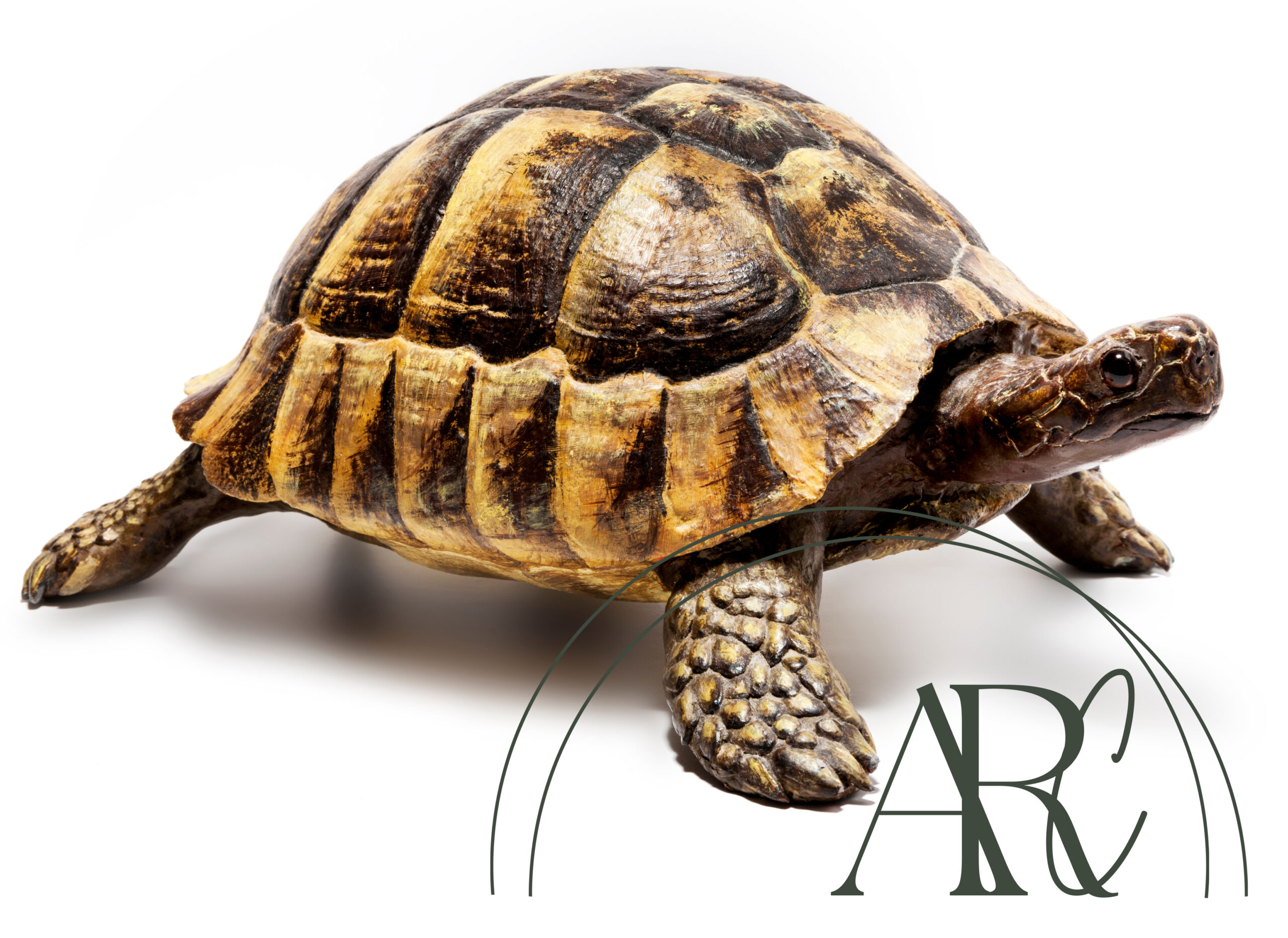
    This image is a phot of a tortoise to depict how we can become mentally withdrawn from our surroundings. This is for the grounding article. Created by counsellor and psychotherapist Amanda Reynolds of AR Counselling services, West Yorkshire.

    Why it’s helpful to use grounding techniques when you feel WITHDRAWN.

    It is a horrible sensation, when you feel unsafe in your own body and mind. This can cause you to become withdrawn, you pull away from the world and disengage from it. Maybe you hide away under the bed covers, or sit alone in a room where no one can find you.

    Wanting to withdraw, like a tortoise back into your shell, or shut down like a computer is a normal response to overwhelm. It’s also a normal trauma response to anything that triggers you. It’s also a stress response as you approach burnout too. Wanting to pull away from people and the world is when grounding can be helpful for you.

    It doesn’t make the problem disappear, but it helps you to take care of yourself in that moment. How? Because it stops you spiralling down into a withdrawn dark pit. It pulls you up and out enough to bring you back to a sense of control or calm in yourself. It frees you a bit of mindful space to enable you to move or ask for support or feel safety and connection within your body and mind. It gives yourself chance to connect with your rational self, so you can feel a little but more able to cope.

    Being able to ground yourself will become a helpful tool to feel that little bit safer once again. The more you practice them, the more you will be able to move through your world feeling able to tolerate the difficult moments and enjoy more peaceful moments of connection to yourself.

    Is it helpful to use grounding techniques when I feel like my thoughts are racing away from me and my head and thoughts begin to spiral?
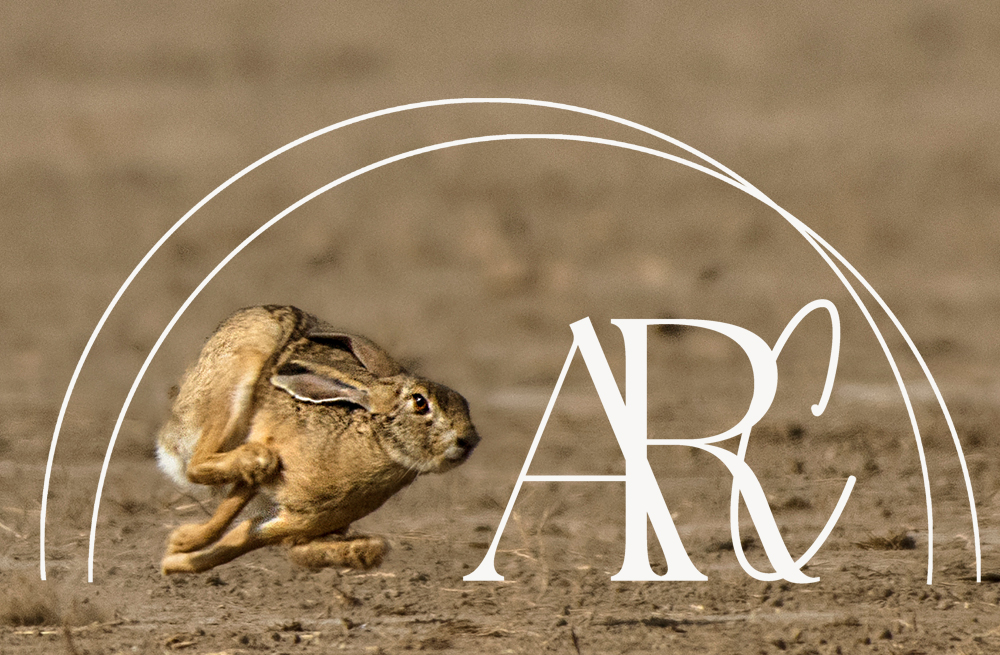
    This image is a photo of a hare dashing off to depict how we can become hyper anxious in flight mode from our surroundings. This is for the grounding article. Created by counsellor and psychotherapist Amanda Reynolds of AR Counselling services, West Yorkshire.

    This can occur daily, all up in your head. “Top down”. Your fears about the world, about other people and their perceptions of you, your own perceptions of yourself, all the “What if’s” can lead us towards high anxiety and a panic attack at worse.

    When you notice this beginning, it’s another opportunity to use a grounding technique. Why? Because it stops us in our racing tracks, we can focus. Yes the fears and the big bad world still exist. But what we are trying to do is stop that massive stress hormone dump that adds to more feelings of being unsettled and out of control. The more we can stop it, ground and come back into the moment (which is what grounding is) then we can help our body to calm down. The more we practice it, the more we feel calm and the more it will help us to reconnect with ourselves and hopefully our rational voice can be heard again.


    The photo depicts ARC counselling logo. Amanda Reynolds provides face-to-face counselling sessions to individuals on a one-to-one basis. Her comfortable, quiet, safe space is based in a building from her home. In Allerton Bywater, near Castleford on the borders of Leeds, Wakefield and North Yorkshire. Easy to get to.
  • Grounding When I’m Spiralling

    Grounding When I’m Spiralling

    When you feel yourself beginning to worry about a thought, that leads you to another thought, and your heart rate starts to increase, your chest tightens, anxiety grows, and you may feel more of the following:

    Muscles tense

    Respirations fast in upper chest

    Skin colour changes to paler

    May feel sweaty and cold

    Hands and feet go cold

    Digestion stops

    Feel fear or rage

    Contact with self and others is limited

    Contact with your rational part of your brain may be inaccessible.

    Integration with the world around you is not likely.

    This image is a photo of the word What If. to depict how we can become hyper anxious in flight mode from our surroundings. This is for the grounding article. Created by counsellor and psychotherapist Amanda Reynolds of AR Counselling services, West Yorkshire.

    The “What If’s” take over and suddenly you’re back up there, working from your head in a “Top Down” way. You may spiral into anxiety and fears, that feel so familiar.

    When you notice this happening, see this as an opportunity to try some grounding techniques.

    Why?

    Because it stops you in your racing tracks. It can help us to re-orient ourselves and re-focus back into a more present moment. Yes the fears and the big bad world still exist.

    But what we are trying to do is stop that massive stress hormone dump that adds to more feelings of being unsettled and out of control.

    We are trying to gently help our nervous system from feeling overwhelmed, and the more we can stop it, ground and come back into the moment (which is what grounding is) then we can help our body to calm down.

    The more we practice it, the more we feel calm and the more it will help us to reconnect with ourselves and hopefully our rational voice can be heard again.

    When you are racing away down the racetrack, try one of these suggestions.

    Remember Grounding Techniques take practice. At first practice the techniques when you feel calm, that way when you need them, you will be familiar with what you are trying to do.

    Polar Bear and Puffin by artist Amanda Reynolds are depicted discussing Grounding Techniques and getting them wrong. Includes ARC logo for AR Counselling services for adults age 21 plus.

    It’s okay to get it wrong, so keep practising. You’ve got this!

    If it doesn’t work for you, then that’s okay, keep looking.

    There are plenty out there online and you will find one that suits you.

    The photo depicts ARC counselling logo. Amanda Reynolds provides face-to-face counselling sessions to individuals on a one-to-one basis. Her comfortable, quiet, safe space is based in a building from her home. In Allerton Bywater, near Castleford on the borders of Leeds, Wakefield and North Yorkshire. Easy to get to.
  • Grounding when I’m withdrawn

    Grounding when I’m withdrawn

    When you feel withdrawn you are likely to be feeling some of the following:

    Apathetic

    Depressed

    Feelings of sadness, shame, grief or disgust

    Your skin may feel dry

    Your hands and feet warm or cold

    Contact with self or others withdrawn

    It’s unlikely you are able to think logically or rationally

    Integration with the world around you is not likely.

    Photo is of someone reading an article on their phone to demonstrate how we need to use a lot of energy to read and integrate within the environment.

    Integration is the link between emotional self-regulation and sensory integration with the world around you. Just reading this article is taking a huge amount of effort for your processes. You are reading the article “top-down” and consciously focussing on it.

    But also there are other things happening in a “bottom up” way.

    Your body and nervous system constantly chat to your brain about the demands of the environment around you. When your nervous system feels overwhelmed, you may find yourself shutting down, or withdrawing from the world, and it will feel challenging to respond to the environmental demands upon you.

    This could mean you become more sensitive to noises, or leaving the house. Engaging with other people might feel difficult.

    Photo is of a woman crying alone.

    Maybe you find your self bursting in to tears when you are on your own. Or sitting on the sofa, just staring into space. Maybe your legs take you straight to bed again, every chance you get, especially when people you live with go out, so they can’t judge you for lying in bed again.

    Maybe you wake up through the night and feel you’re in a flash back, a frightening memory playing out as if its happening now.

    This is when grounding or breathing techniques can be helpful to use.

    But why?

    Because they can help you to come up and out of your body, like a tortoise emerging from its shell and taking a good look around, ready to move. Back to the present and back into integration with the environment around you.

    One good technique for this is a sensory technique. The 54321 grounding exercise or the Rainbow technique if you like colours. You can read or download both of these by clicking on the button below.

    Read or download

    Remember Grounding Techniques take practice. At first practice the techniques when you feel calm, that way when you need them, you will be familiar with what you are trying to do.

    Polar Bear and Puffin by artist Amanda Reynolds are depicted discussing Grounding Techniques and getting them wrong. Includes ARC logo for AR Counselling services for adults age 21 plus.

    It’s okay to get it wrong, so keep practising. You’ve got this!

    If it doesn’t work for you, then that’s okay, keep looking.

    There are plenty out there online and you will find one that suits you.

    The photo depicts ARC counselling logo. Amanda Reynolds provides face-to-face counselling sessions to individuals on a one-to-one basis. Her comfortable, quiet, safe space is based in a building from her home. In Allerton Bywater, near Castleford on the borders of Leeds, Wakefield and North Yorkshire. Easy to get to.